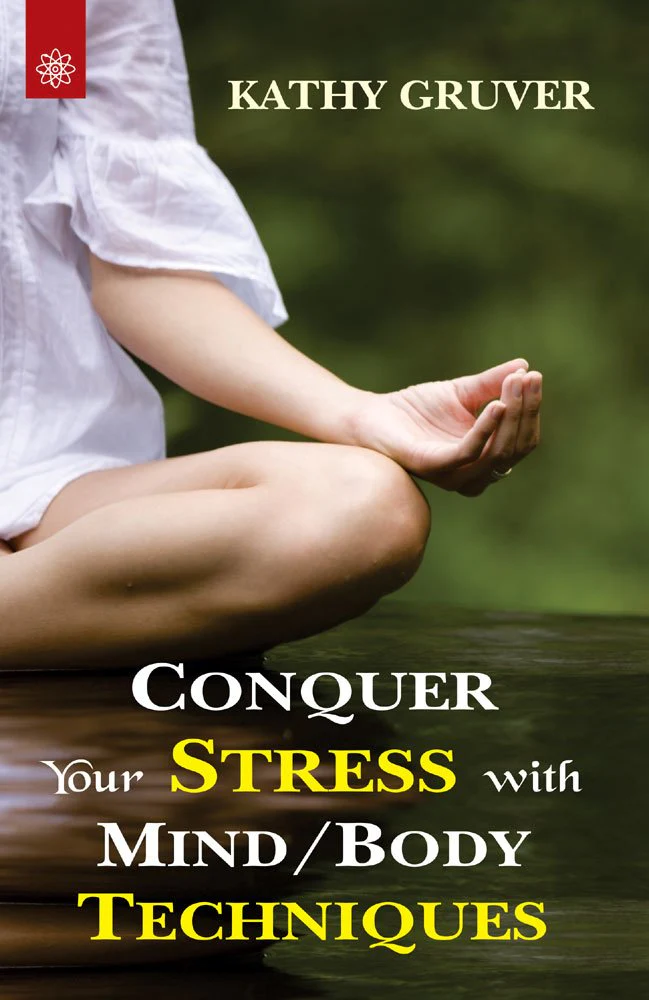
Conquer your Stress with Mind/Body Techniques
Conquering stress through mind and body techniques is a powerful way to restore balance and improve overall well-being. The mind-body connection plays a significant role in managing stress, as the way we think and feel can affect our physical health and vice versa. Here are some effective mind/body techniques to help reduce stress:
1. Mindfulness Meditation
- What it is: Mindfulness meditation involves focusing your attention on the present moment without judgment. It helps you become aware of your thoughts and feelings without becoming overwhelmed by them.
- How it works: By practicing mindfulness, you create space between yourself and your stressors, allowing you to respond rather than react to situations.
- How to do it: Sit in a comfortable position, close your eyes, and focus on your breath. When your mind starts to wander, gently bring your attention back to your breath or a mantra.
2. Deep Breathing (Diaphragmatic Breathing)
- What it is: Deep breathing involves taking slow, controlled breaths from your diaphragm rather than shallow breaths from your chest.
- How it works: This technique activates your parasympathetic nervous system (the "rest and digest" system), which helps counter the effects of the stress response.
- How to do it: Sit or lie down in a comfortable position. Inhale deeply through your nose for a count of four, hold for four seconds, then exhale slowly through your mouth for a count of six. Repeat for several minutes.
3. Progressive Muscle Relaxation (PMR)
- What it is: PMR involves tensing and then relaxing different muscle groups in your body to reduce physical tension.
- How it works: By consciously relaxing muscles that have been tensed due to stress, you can release built-up physical stress and promote relaxation.
- How to do it: Start with your feet and slowly work your way up through your body. Tense each muscle group (e.g., feet, legs, abdomen, arms, face) for 5-10 seconds, then relax them for 20-30 seconds. Focus on the difference between tension and relaxation.
4. Yoga
- What it is: Yoga combines physical postures, breath control, and meditation to improve flexibility, strength, and relaxation.
- How it works: The physical postures help release tension, while controlled breathing and meditation reduce mental stress. Yoga promotes a mind-body connection that can help you cope with stress.
- How to do it: Attend a yoga class or follow an online session. Even a short 15-20 minute practice focused on gentle stretching and deep breathing can make a big difference.
5. Visualization (Guided Imagery)
- What it is: Visualization involves imagining a peaceful or happy place, real or imagined, to help you relax.
- How it works: By focusing on calming images, you can activate the relaxation response and distract yourself from stress.
- How to do it: Close your eyes and picture a peaceful scene (e.g., a beach, forest, or mountain). Try to engage all your senses—imagine the sounds, smells, and textures of the place.
6. Tai Chi
- What it is: Tai Chi is an ancient Chinese practice that involves slow, deliberate movements and deep breathing.
- How it works: The flowing movements and focus on breathing help to calm the mind and body, reducing stress and promoting balance.
- How to do it: Take a class or follow along with an online tutorial. Start with a few basic movements, focusing on your breath and the flow of the movements.
7. Self-Compassion
- What it is: Self-compassion involves treating yourself with kindness and understanding, especially during stressful or challenging times.
- How it works: By being gentle with yourself, you reduce the pressure and negative self-criticism that often accompanies stress.
- How to do it: Practice self-kindness by speaking to yourself in a supportive way. When you face difficulties, remind yourself that it’s okay to not be perfect and that you are doing your best.
8. Grounding Techniques
- What it is: Grounding involves focusing on the present moment by reconnecting with your senses and the physical world around you.
- How it works: Grounding techniques can break the cycle of overwhelming thoughts and help you feel more in control.
- How to do it: One common method is the "5-4-3-2-1" technique: Name 5 things you can see, 4 things you can touch, 3 things you can hear, 2 things you can smell, and 1 thing you can taste.
9. Biofeedback
- What it is: Biofeedback uses electronic devices to monitor physiological processes such as heart rate, muscle tension, and brain waves, allowing you to gain control over them.
- How it works: By providing real-time feedback on your body’s stress response, biofeedback can help you learn to reduce tension and relax.
- How to do it: Use biofeedback equipment under the guidance of a trained practitioner, or try apps that offer biofeedback-like features (e.g., heart rate monitoring through wearables).
10. Aromatherapy
- What it is: Aromatherapy uses essential oils from plants to promote relaxation and alleviate stress.
- How it works: Scents like lavender, chamomile, and eucalyptus can trigger a relaxing response in the brain.
- How to do it: Use a diffuser to disperse essential oils into the air or apply them to your skin (diluted in a carrier oil). You can also inhale directly from the bottle.
11. Exercise
- What it is: Physical activity helps release endorphins, which are chemicals that act as natural mood boosters.
- How it works: Exercise reduces levels of cortisol, the stress hormone, and improves overall mental health.
- How to do it: Aim for at least 30 minutes of moderate exercise, such as walking, jogging, swimming, or cycling, a few times a week.
Conquering stress through mind and body techniques is a powerful way to restore balance and improve overall well-being. The mind-body connection plays a significant role in managing stress, as the way we think and feel can affect our physical health and vice versa. Here are some effective mind/body techniques to help reduce stress:
1. Mindfulness Meditation
- What it is: Mindfulness meditation involves focusing your attention on the present moment without judgment. It helps you become aware of your thoughts and feelings without becoming overwhelmed by them.
- How it works: By practicing mindfulness, you create space between yourself and your stressors, allowing you to respond rather than react to situations.
- How to do it: Sit in a comfortable position, close your eyes, and focus on your breath. When your mind starts to wander, gently bring your attention back to your breath or a mantra.
2. Deep Breathing (Diaphragmatic Breathing)
- What it is: Deep breathing involves taking slow, controlled breaths from your diaphragm rather than shallow breaths from your chest.
- How it works: This technique activates your parasympathetic nervous system (the "rest and digest" system), which helps counter the effects of the stress response.
- How to do it: Sit or lie down in a comfortable position. Inhale deeply through your nose for a count of four, hold for four seconds, then exhale slowly through your mouth for a count of six. Repeat for several minutes.
3. Progressive Muscle Relaxation (PMR)
- What it is: PMR involves tensing and then relaxing different muscle groups in your body to reduce physical tension.
- How it works: By consciously relaxing muscles that have been tensed due to stress, you can release built-up physical stress and promote relaxation.
- How to do it: Start with your feet and slowly work your way up through your body. Tense each muscle group (e.g., feet, legs, abdomen, arms, face) for 5-10 seconds, then relax them for 20-30 seconds. Focus on the difference between tension and relaxation.
4. Yoga
- What it is: Yoga combines physical postures, breath control, and meditation to improve flexibility, strength, and relaxation.
- How it works: The physical postures help release tension, while controlled breathing and meditation reduce mental stress. Yoga promotes a mind-body connection that can help you cope with stress.
- How to do it: Attend a yoga class or follow an online session. Even a short 15-20 minute practice focused on gentle stretching and deep breathing can make a big difference.
5. Visualization (Guided Imagery)
- What it is: Visualization involves imagining a peaceful or happy place, real or imagined, to help you relax.
- How it works: By focusing on calming images, you can activate the relaxation response and distract yourself from stress.
- How to do it: Close your eyes and picture a peaceful scene (e.g., a beach, forest, or mountain). Try to engage all your senses—imagine the sounds, smells, and textures of the place.
6. Tai Chi
- What it is: Tai Chi is an ancient Chinese practice that involves slow, deliberate movements and deep breathing.
- How it works: The flowing movements and focus on breathing help to calm the mind and body, reducing stress and promoting balance.
- How to do it: Take a class or follow along with an online tutorial. Start with a few basic movements, focusing on your breath and the flow of the movements.
7. Self-Compassion
- What it is: Self-compassion involves treating yourself with kindness and understanding, especially during stressful or challenging times.
- How it works: By being gentle with yourself, you reduce the pressure and negative self-criticism that often accompanies stress.
- How to do it: Practice self-kindness by speaking to yourself in a supportive way. When you face difficulties, remind yourself that it’s okay to not be perfect and that you are doing your best.
8. Grounding Techniques
- What it is: Grounding involves focusing on the present moment by reconnecting with your senses and the physical world around you.
- How it works: Grounding techniques can break the cycle of overwhelming thoughts and help you feel more in control.
- How to do it: One common method is the "5-4-3-2-1" technique: Name 5 things you can see, 4 things you can touch, 3 things you can hear, 2 things you can smell, and 1 thing you can taste.
9. Biofeedback
- What it is: Biofeedback uses electronic devices to monitor physiological processes such as heart rate, muscle tension, and brain waves, allowing you to gain control over them.
- How it works: By providing real-time feedback on your body’s stress response, biofeedback can help you learn to reduce tension and relax.
- How to do it: Use biofeedback equipment under the guidance of a trained practitioner, or try apps that offer biofeedback-like features (e.g., heart rate monitoring through wearables).
10. Aromatherapy
- What it is: Aromatherapy uses essential oils from plants to promote relaxation and alleviate stress.
- How it works: Scents like lavender, chamomile, and eucalyptus can trigger a relaxing response in the brain.
- How to do it: Use a diffuser to disperse essential oils into the air or apply them to your skin (diluted in a carrier oil). You can also inhale directly from the bottle.
11. Exercise
- What it is: Physical activity helps release endorphins, which are chemicals that act as natural mood boosters.
- How it works: Exercise reduces levels of cortisol, the stress hormone, and improves overall mental health.
- How to do it: Aim for at least 30 minutes of moderate exercise, such as walking, jogging, swimming, or cycling, a few times a week.
Original: $2.66
-70%$2.66
$0.80Description
Conquering stress through mind and body techniques is a powerful way to restore balance and improve overall well-being. The mind-body connection plays a significant role in managing stress, as the way we think and feel can affect our physical health and vice versa. Here are some effective mind/body techniques to help reduce stress:
1. Mindfulness Meditation
- What it is: Mindfulness meditation involves focusing your attention on the present moment without judgment. It helps you become aware of your thoughts and feelings without becoming overwhelmed by them.
- How it works: By practicing mindfulness, you create space between yourself and your stressors, allowing you to respond rather than react to situations.
- How to do it: Sit in a comfortable position, close your eyes, and focus on your breath. When your mind starts to wander, gently bring your attention back to your breath or a mantra.
2. Deep Breathing (Diaphragmatic Breathing)
- What it is: Deep breathing involves taking slow, controlled breaths from your diaphragm rather than shallow breaths from your chest.
- How it works: This technique activates your parasympathetic nervous system (the "rest and digest" system), which helps counter the effects of the stress response.
- How to do it: Sit or lie down in a comfortable position. Inhale deeply through your nose for a count of four, hold for four seconds, then exhale slowly through your mouth for a count of six. Repeat for several minutes.
3. Progressive Muscle Relaxation (PMR)
- What it is: PMR involves tensing and then relaxing different muscle groups in your body to reduce physical tension.
- How it works: By consciously relaxing muscles that have been tensed due to stress, you can release built-up physical stress and promote relaxation.
- How to do it: Start with your feet and slowly work your way up through your body. Tense each muscle group (e.g., feet, legs, abdomen, arms, face) for 5-10 seconds, then relax them for 20-30 seconds. Focus on the difference between tension and relaxation.
4. Yoga
- What it is: Yoga combines physical postures, breath control, and meditation to improve flexibility, strength, and relaxation.
- How it works: The physical postures help release tension, while controlled breathing and meditation reduce mental stress. Yoga promotes a mind-body connection that can help you cope with stress.
- How to do it: Attend a yoga class or follow an online session. Even a short 15-20 minute practice focused on gentle stretching and deep breathing can make a big difference.
5. Visualization (Guided Imagery)
- What it is: Visualization involves imagining a peaceful or happy place, real or imagined, to help you relax.
- How it works: By focusing on calming images, you can activate the relaxation response and distract yourself from stress.
- How to do it: Close your eyes and picture a peaceful scene (e.g., a beach, forest, or mountain). Try to engage all your senses—imagine the sounds, smells, and textures of the place.
6. Tai Chi
- What it is: Tai Chi is an ancient Chinese practice that involves slow, deliberate movements and deep breathing.
- How it works: The flowing movements and focus on breathing help to calm the mind and body, reducing stress and promoting balance.
- How to do it: Take a class or follow along with an online tutorial. Start with a few basic movements, focusing on your breath and the flow of the movements.
7. Self-Compassion
- What it is: Self-compassion involves treating yourself with kindness and understanding, especially during stressful or challenging times.
- How it works: By being gentle with yourself, you reduce the pressure and negative self-criticism that often accompanies stress.
- How to do it: Practice self-kindness by speaking to yourself in a supportive way. When you face difficulties, remind yourself that it’s okay to not be perfect and that you are doing your best.
8. Grounding Techniques
- What it is: Grounding involves focusing on the present moment by reconnecting with your senses and the physical world around you.
- How it works: Grounding techniques can break the cycle of overwhelming thoughts and help you feel more in control.
- How to do it: One common method is the "5-4-3-2-1" technique: Name 5 things you can see, 4 things you can touch, 3 things you can hear, 2 things you can smell, and 1 thing you can taste.
9. Biofeedback
- What it is: Biofeedback uses electronic devices to monitor physiological processes such as heart rate, muscle tension, and brain waves, allowing you to gain control over them.
- How it works: By providing real-time feedback on your body’s stress response, biofeedback can help you learn to reduce tension and relax.
- How to do it: Use biofeedback equipment under the guidance of a trained practitioner, or try apps that offer biofeedback-like features (e.g., heart rate monitoring through wearables).
10. Aromatherapy
- What it is: Aromatherapy uses essential oils from plants to promote relaxation and alleviate stress.
- How it works: Scents like lavender, chamomile, and eucalyptus can trigger a relaxing response in the brain.
- How to do it: Use a diffuser to disperse essential oils into the air or apply them to your skin (diluted in a carrier oil). You can also inhale directly from the bottle.
11. Exercise
- What it is: Physical activity helps release endorphins, which are chemicals that act as natural mood boosters.
- How it works: Exercise reduces levels of cortisol, the stress hormone, and improves overall mental health.
- How to do it: Aim for at least 30 minutes of moderate exercise, such as walking, jogging, swimming, or cycling, a few times a week.