Megalithic Culture of Mizoram
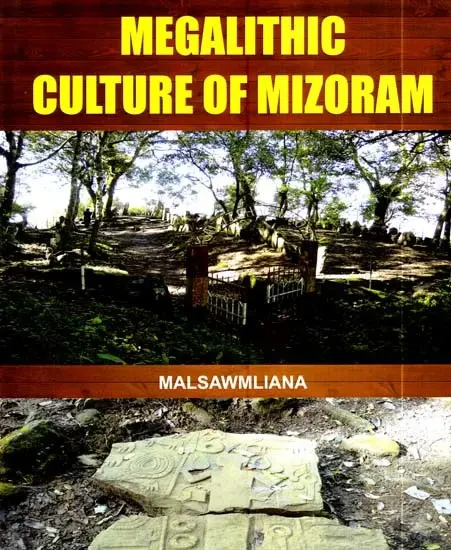
Megalithic Culture of Mizoram" by Malsawmliana is a scholarly work that examines the megalithic culture of Mizoram, a state in northeastern India. This book provides a detailed analysis of the megalithic structures and traditions found in Mizoram, shedding light on the region’s ancient practices and their cultural significance.
Key Themes and Highlights:
-
Overview of Megalithic Culture:
- Definition and Characteristics: The book defines megalithic culture and its key characteristics, including the construction and use of large stone structures, such as dolmens, menhirs, and cairns.
- Cultural Context: Malsawmliana explores the cultural and historical context of megalithic practices in Mizoram, providing insights into the societies that built and used these structures.
-
Archaeological Evidence:
- Site Analysis: The book provides a comprehensive analysis of various megalithic sites in Mizoram. This includes descriptions of the different types of megalithic structures found in the region and their distribution across different areas.
- Artifact Discovery: It discusses the artifacts and materials associated with megalithic sites, including tools, pottery, and burial goods, offering insights into the daily lives and rituals of ancient inhabitants.
-
Construction Techniques:
- Building Methods: Malsawmliana details the construction techniques used to create megalithic structures. This includes the types of stone used, construction methods, and the architectural features of the megalithic sites.
- Technological Insights: The book examines the technological knowledge required for building these structures and how it reflects the skills and ingenuity of ancient societies.
-
Cultural and Ritual Significance:
- Religious and Ritual Practices: The book explores the religious and ritual significance of megalithic structures, including their role in funerary practices and community ceremonies.
- Symbolism and Beliefs: Malsawmliana discusses the symbolism associated with megalithic structures and how they reflect the spiritual beliefs and social organization of the time.
-
Comparative Analysis:
- Regional Comparisons: The book may include comparisons between Mizoram’s megalithic culture and megalithic traditions in other regions of India and Southeast Asia, highlighting similarities and differences.
- Cultural Connections: It explores possible cultural connections and influences between the megalithic culture of Mizoram and other ancient cultures.
-
Preservation and Future Research:
- Conservation Issues: Malsawmliana addresses the challenges related to the preservation and conservation of megalithic sites in Mizoram, including threats from environmental factors and human activity.
- Research Directions: The book discusses potential future research directions and the importance of continuing archaeological studies to further understand the megalithic culture of Mizoram.
Significance:
- Academic Contribution: The book makes a significant contribution to the field of archaeology and cultural studies by providing detailed research on the megalithic culture of Mizoram.
- Cultural Heritage: It highlights the importance of preserving and understanding the megalithic heritage of Mizoram, offering valuable insights into the ancient practices and beliefs of the region.
Megalithic Culture of Mizoram" by Malsawmliana is a scholarly work that examines the megalithic culture of Mizoram, a state in northeastern India. This book provides a detailed analysis of the megalithic structures and traditions found in Mizoram, shedding light on the region’s ancient practices and their cultural significance.
Key Themes and Highlights:
-
Overview of Megalithic Culture:
- Definition and Characteristics: The book defines megalithic culture and its key characteristics, including the construction and use of large stone structures, such as dolmens, menhirs, and cairns.
- Cultural Context: Malsawmliana explores the cultural and historical context of megalithic practices in Mizoram, providing insights into the societies that built and used these structures.
-
Archaeological Evidence:
- Site Analysis: The book provides a comprehensive analysis of various megalithic sites in Mizoram. This includes descriptions of the different types of megalithic structures found in the region and their distribution across different areas.
- Artifact Discovery: It discusses the artifacts and materials associated with megalithic sites, including tools, pottery, and burial goods, offering insights into the daily lives and rituals of ancient inhabitants.
-
Construction Techniques:
- Building Methods: Malsawmliana details the construction techniques used to create megalithic structures. This includes the types of stone used, construction methods, and the architectural features of the megalithic sites.
- Technological Insights: The book examines the technological knowledge required for building these structures and how it reflects the skills and ingenuity of ancient societies.
-
Cultural and Ritual Significance:
- Religious and Ritual Practices: The book explores the religious and ritual significance of megalithic structures, including their role in funerary practices and community ceremonies.
- Symbolism and Beliefs: Malsawmliana discusses the symbolism associated with megalithic structures and how they reflect the spiritual beliefs and social organization of the time.
-
Comparative Analysis:
- Regional Comparisons: The book may include comparisons between Mizoram’s megalithic culture and megalithic traditions in other regions of India and Southeast Asia, highlighting similarities and differences.
- Cultural Connections: It explores possible cultural connections and influences between the megalithic culture of Mizoram and other ancient cultures.
-
Preservation and Future Research:
- Conservation Issues: Malsawmliana addresses the challenges related to the preservation and conservation of megalithic sites in Mizoram, including threats from environmental factors and human activity.
- Research Directions: The book discusses potential future research directions and the importance of continuing archaeological studies to further understand the megalithic culture of Mizoram.
Significance:
- Academic Contribution: The book makes a significant contribution to the field of archaeology and cultural studies by providing detailed research on the megalithic culture of Mizoram.
- Cultural Heritage: It highlights the importance of preserving and understanding the megalithic heritage of Mizoram, offering valuable insights into the ancient practices and beliefs of the region.
Original: $26.59
-70%$26.59
$7.98Description
Megalithic Culture of Mizoram" by Malsawmliana is a scholarly work that examines the megalithic culture of Mizoram, a state in northeastern India. This book provides a detailed analysis of the megalithic structures and traditions found in Mizoram, shedding light on the region’s ancient practices and their cultural significance.
Key Themes and Highlights:
-
Overview of Megalithic Culture:
- Definition and Characteristics: The book defines megalithic culture and its key characteristics, including the construction and use of large stone structures, such as dolmens, menhirs, and cairns.
- Cultural Context: Malsawmliana explores the cultural and historical context of megalithic practices in Mizoram, providing insights into the societies that built and used these structures.
-
Archaeological Evidence:
- Site Analysis: The book provides a comprehensive analysis of various megalithic sites in Mizoram. This includes descriptions of the different types of megalithic structures found in the region and their distribution across different areas.
- Artifact Discovery: It discusses the artifacts and materials associated with megalithic sites, including tools, pottery, and burial goods, offering insights into the daily lives and rituals of ancient inhabitants.
-
Construction Techniques:
- Building Methods: Malsawmliana details the construction techniques used to create megalithic structures. This includes the types of stone used, construction methods, and the architectural features of the megalithic sites.
- Technological Insights: The book examines the technological knowledge required for building these structures and how it reflects the skills and ingenuity of ancient societies.
-
Cultural and Ritual Significance:
- Religious and Ritual Practices: The book explores the religious and ritual significance of megalithic structures, including their role in funerary practices and community ceremonies.
- Symbolism and Beliefs: Malsawmliana discusses the symbolism associated with megalithic structures and how they reflect the spiritual beliefs and social organization of the time.
-
Comparative Analysis:
- Regional Comparisons: The book may include comparisons between Mizoram’s megalithic culture and megalithic traditions in other regions of India and Southeast Asia, highlighting similarities and differences.
- Cultural Connections: It explores possible cultural connections and influences between the megalithic culture of Mizoram and other ancient cultures.
-
Preservation and Future Research:
- Conservation Issues: Malsawmliana addresses the challenges related to the preservation and conservation of megalithic sites in Mizoram, including threats from environmental factors and human activity.
- Research Directions: The book discusses potential future research directions and the importance of continuing archaeological studies to further understand the megalithic culture of Mizoram.
Significance:
- Academic Contribution: The book makes a significant contribution to the field of archaeology and cultural studies by providing detailed research on the megalithic culture of Mizoram.
- Cultural Heritage: It highlights the importance of preserving and understanding the megalithic heritage of Mizoram, offering valuable insights into the ancient practices and beliefs of the region.