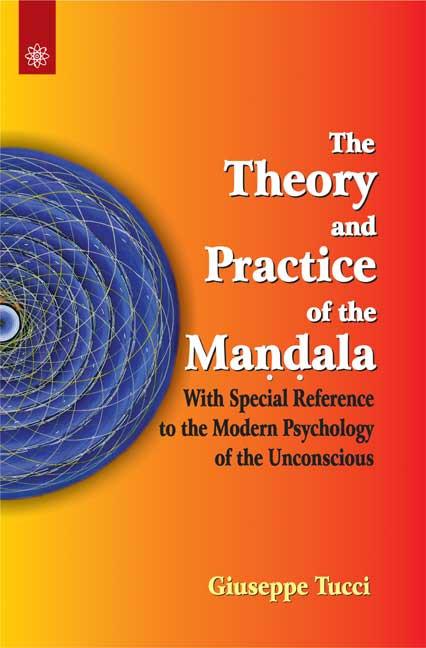
The Theory and Practice of the Mandala
This intriguing, thought-provoking study by one of the world's leading authorities on the subject examines the fundamental doctrine behind the theory and practice of the Mandala in India and Tibet, by both Hindus and Buddhists. "As a whole," as the author says in his Preface, "the spiritual background is the same: ...the yearning to find out a way from time to eternity, to help the primaeval consciousness... to recover its integrity." Individual chapters consider the doctrinal basis of the mandala, the mandala as a means of reintegration, the symbolism of the mandala and its various parts, the liturgy of the mandala, and the mandala in the human body. Of particular interest to Eastern philosophy and art students, this volume will also fascinate New Agers and anyone interested in the symbols and psychology of Asian cultures.
This intriguing, thought-provoking study by one of the world's leading authorities on the subject examines the fundamental doctrine behind the theory and practice of the Mandala in India and Tibet, by both Hindus and Buddhists. "As a whole," as the author says in his Preface, "the spiritual background is the same: ...the yearning to find out a way from time to eternity, to help the primaeval consciousness... to recover its integrity." Individual chapters consider the doctrinal basis of the mandala, the mandala as a means of reintegration, the symbolism of the mandala and its various parts, the liturgy of the mandala, and the mandala in the human body. Of particular interest to Eastern philosophy and art students, this volume will also fascinate New Agers and anyone interested in the symbols and psychology of Asian cultures.
Original: $3.72
-70%$3.72
$1.12Description
This intriguing, thought-provoking study by one of the world's leading authorities on the subject examines the fundamental doctrine behind the theory and practice of the Mandala in India and Tibet, by both Hindus and Buddhists. "As a whole," as the author says in his Preface, "the spiritual background is the same: ...the yearning to find out a way from time to eternity, to help the primaeval consciousness... to recover its integrity." Individual chapters consider the doctrinal basis of the mandala, the mandala as a means of reintegration, the symbolism of the mandala and its various parts, the liturgy of the mandala, and the mandala in the human body. Of particular interest to Eastern philosophy and art students, this volume will also fascinate New Agers and anyone interested in the symbols and psychology of Asian cultures.